Verifiable
Provenance
Preserve the origin and history of samples, datasets and derived evidence — from excavation through to re-curation decades later.

The Ancient BioChain is a full BioChain, running in the open on public research data.
It applies BioChain infrastructure to ancient biological research, making samples, datasets, transformations and research outputs traceable, auditable and independently verifiable across time — and it runs all five steps of the BioChain model today.
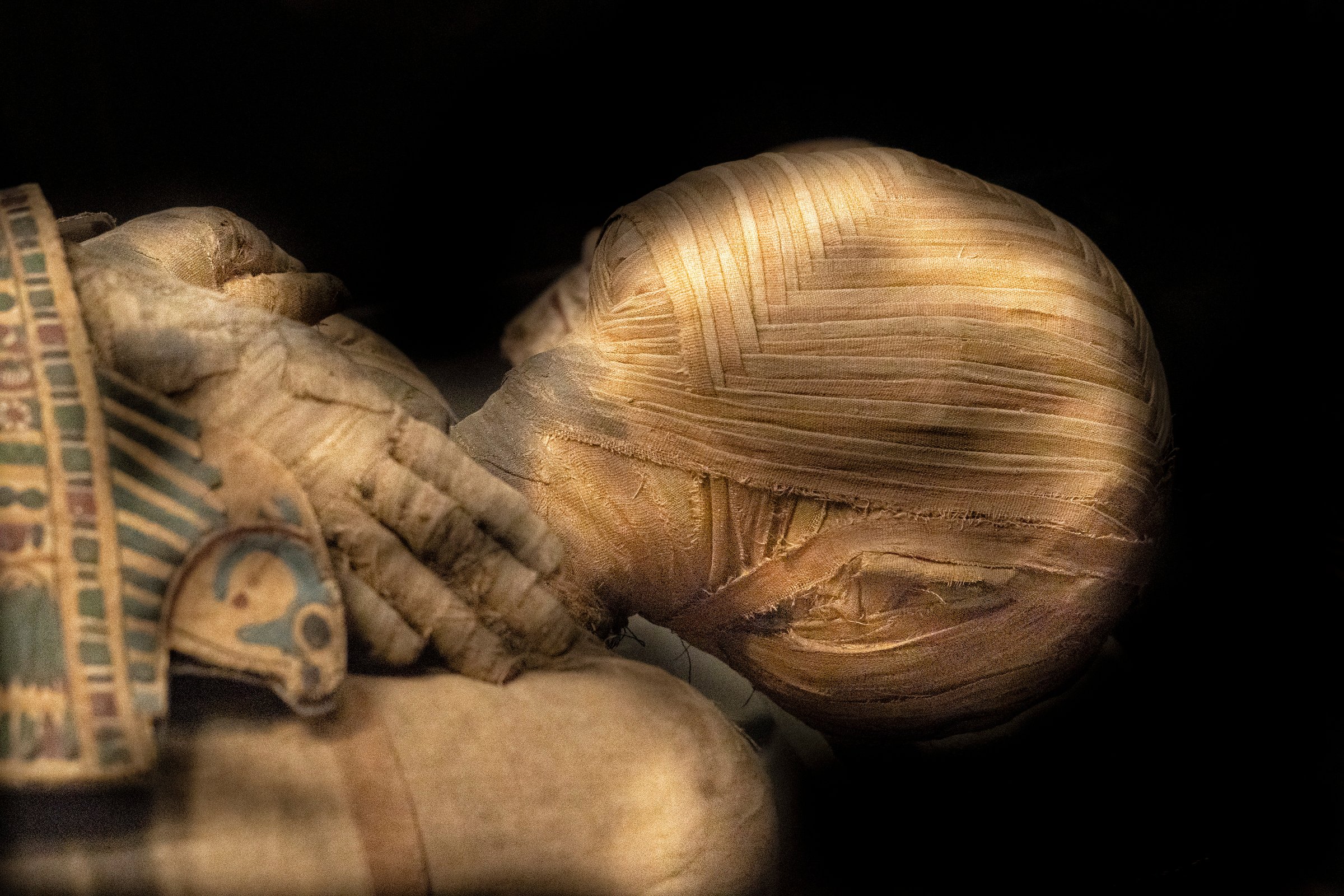
The Ancient BioChain is The BioChain running in the open — a shared integrity layer for data and evidence that move between organisations, connecting laboratories, research systems, repositories, sequencing platforms and existing databases without replacing them.
Keep your systems. Connect their provenance.

Preserve the origin and history of samples, datasets and derived evidence — from excavation through to re-curation decades later.
Preserve evidential context across extraction, library preparation, sequencing and later reuse, so a result can be reassessed rather than merely repeated.
Link specimens, metadata, sequences, methods, publications and findings across the institutions that produced them.
Add provenance across existing repositories, laboratory systems and analysis environments rather than replacing them.
The Ancient BioChain is not a separate technology. It is The BioChain, running all five steps of the same model against publicly available research data — which is precisely why it can be examined in a way that deployments inside customer organisations cannot.
Public archaeogenomic repositories, metadata records, ingestion pipelines and analysis environments are connected as they already are, without any of them being replaced or migrated.
Specimens, samples, extractions, libraries, sequencing runs, datasets and their metadata are recorded as structured provenance, while the underlying datasets stay in the public repositories that already hold them.
Those records are joined into a chain, so a published result connects back through analysis, sequencing and extraction to the specimen it came from — across every institution involved.
Each step records which institution, repository or analytical process asserted it. Where a record comes from a public repository rather than a named laboratory, the provenance says exactly that rather than implying more than is known.
A reader can reconstruct how a published ancient-genome result was produced, and check whether the datasets or interpretations behind it have changed since — which, in ancient DNA, they frequently have.
Excavation → curation → sampling → DNA extraction → library preparation → sequencing → bioinformatics → publication → repository → re-curation
Ancient DNA is an unusually demanding provenance problem: one individual can accumulate a research history spanning decades, institutions and technologies, and results are reinterpreted and corrected as methods improve. Gaps, corrections and later reinterpretations remain part of the history here rather than being smoothed over — which is the whole point.
The first phase runs on ancient DNA, tracing evidence from source datasets and metadata through ingestion, transformation and analytical use. It is live now. Ancient DNA is the starting point, not the boundary of the project.
A verifiable evidence layer for ancient DNA research, running now.
Traceable. Auditable. Independently verifiable.
Ancient pathogen research introduces an especially demanding provenance problem. Authentication, contamination assessment, reference selection, computational transformations and epidemiological interpretation can all affect the evidential meaning of a result. A later phase will extend the chain to keep that history inspectable from archaeological context and sample through molecular evidence, analysis and interpretation.
The objective is not to decide whether a scientific conclusion is correct. It is to make the evidence chain behind that conclusion easier to inspect, reproduce and reassess.
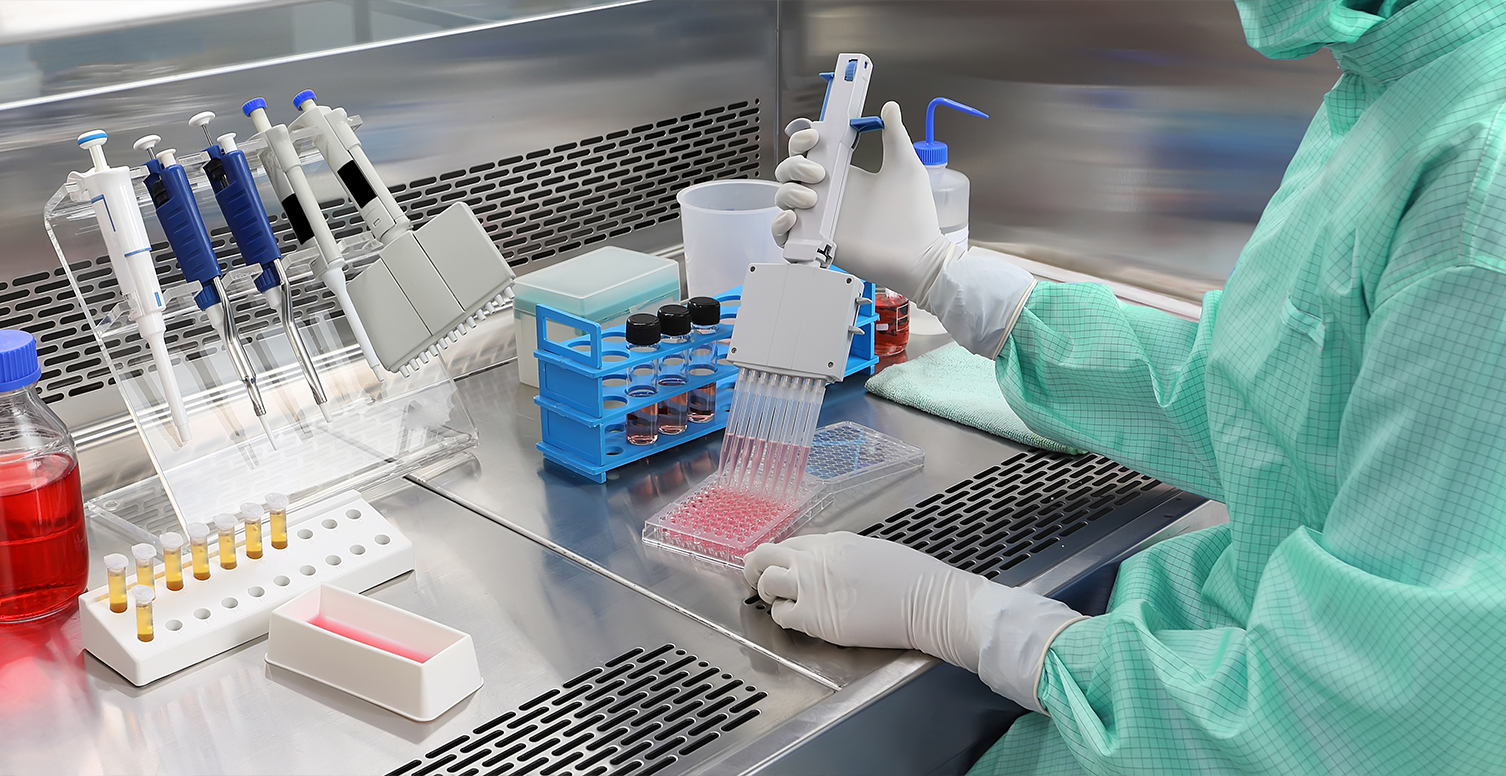
From archaeological context to molecular evidence. Inspectable at every step.
READ MORE →Public archaeogenomic datasets, metadata, ingestion, transformations and analytical provenance.
Pathogen evidence, authentication, contamination controls, reference genomes and analytical lineage.
Link human and animal DNA, ancient pathogens, environmental DNA, proteomics, microbiomes, isotopic and other biomolecular evidence across projects, studies and institutions.
APIs, institutional integrations, collaborative demonstrators and reusable provenance services.
We are interested in conversations with archaeogenomics groups, ancient-pathogen researchers, repositories, sequencing facilities, universities and research-infrastructure projects that want to explore interoperable provenance. The Ancient BioChain complements existing scientific systems rather than replacing them.
Laboratories, repositories and sequencing facilities exploring interoperable provenance.
GET IN TOUCH →